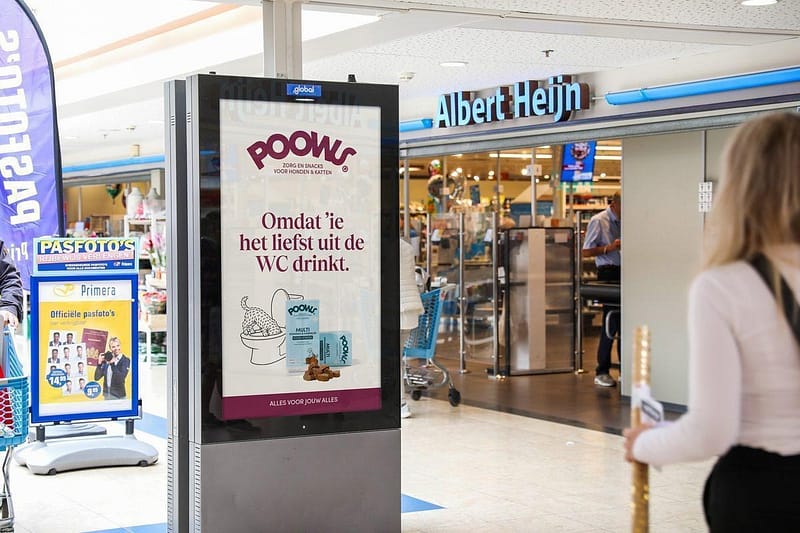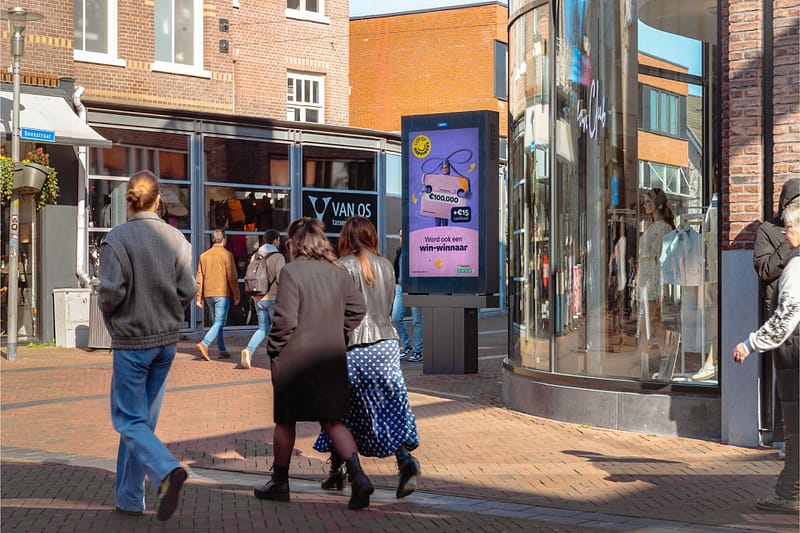
Within the Out-of-Home (OOH) landscape, there is a notable shift in spending. Traditional manual buying methods have increasingly been replaced by Programmatic DOOH, an automated approach offering significant advantages over manual processes. In this blog, we’ll explore key considerations when purchasing DOOH inventory via auctions. spend. Traditionele manuele inkoopmethoden maken al voor langere tijd plaats voor Programmatic DOOH, een geautomatiseerde benadering die aanzienlijke voordelen biedt ten opzichte van de traditionele manuele aanpak. In deze blog zullen we kijken naar de zaken waar je goed op moet letten als je inkoopt via de veiling.
Choosing the Right Tools
First, it’s important to select the appropriate tool for programmatic DOOH buying. While more Demand Side Platforms (DSPs) are gaining access to DOOH inventory, significant differences remain between the tools. Essentially, a DOOH screen is a large digital display, but it’s critical not to equate DOOH impressions directly with mobile impressions. One DOOH impression can be viewed by multiple people simultaneously.
Standard DSPs
There are two main types of DSPs to consider. One option is to use large, established DSPs that have recently started offering DOOH inventory, such as Google DV360 or Adform. These systems are well-known but their typical features, like user capping or audience targeting, don’t work in DOOH, as DOOH is not user-based.
Specialized Programmatic DOOH DSPs
Alternatively, you can choose a DSP specialized in programmatic DOOH, such as Outmoove or Sage & Archer. These platforms are built specifically for out-of-home advertising and focus on location and screen rather than users. They also handle frequency capping differently (e.g., avoiding purchasing the same screen twice in one minute) and approach targeting based on factors like location, time, or weather, all of which are highly relevant for DOOH.
Comparing Metrics in Programmatic Digital Out of Home Advertising
It is also crucial to carefully examine the various metrics and how they can be compared. Within the digital landscape, many standards have been established by the IAB. An impression simply refers to a display, while a viewable display impression means the ad was visible for at least 2 seconds with 50% of the pixels in view, and so on.
When Do You Really Need Programmatic Digital Out of Home?
Zoals te zien is in spend, is programmatic DOOH een hype. Veel planners willen snel gebruik maken van programmatic DOOH, maar dit is niet altijd logisch. Soms is het niet handig om programmatic DOOH in te zetten.
Auction System of Programmatic Digital Out of Home
As spending trends show, programmatic DOOH is currently a hype. Many planners are eager to adopt programmatic DOOH quickly, but it’s not always the most logical choice. Sometimes, using programmatic DOOH may not be the best option.
Personalization in Digital Out of Home Advertising
Additionally, many advertisers aim to achieve reach with personalized creative content. For example, a retailer might want to display the location of their nearest store. In such cases, programmatic buying isn’t always necessary; you could also consider direct buys with publishers using HTML5 creatives. However, if the retailer wants to target exclusively around their own stores, programmatic buying can become relevant again. So, don’t over-automate programmatic buying, remember, DSP fees can add up.
Pricing
Finally, it’s crucial to have clear pricing insights. Digital traders are often used to optimizing campaigns for the best placements and target audiences, but this is less relevant with DOOH. The screens and audiences are based on historical data, so you already know which screens perform best. Make sure to discuss with your traders whether you’re paying the right CPM for a screen. There’s often room for negotiation in programmatic deals. Conversely, given the price, it might also be worthwhile to consider non-programmatic buying. For publishers, a commitment can work well.
Conclusion
In this blog, we highlighted the key aspects of Programmatic DOOH buying. It is essential to choose the right DSP, whether that’s a regular DSP with DOOH inventory access or a specialized Programmatic DOOH DSP. Measurement and reporting metrics differ from the broader digital landscape, making it important to understand the publishers’ measurement methods. While Programmatic DOOH is a growing trend, it’s not always the best choice for every campaign. The auction system and pricing require careful consideration. Personalization should also be weighed based on the campaign’s needs. Overall, Programmatic DOOH offers many benefits, but selecting the right approach depends on your campaign goals and the needs of advertisers and publishers. Want to discuss Programmatic DOOH? Then get in touch with us .